
Advancing Women’s Heart Health Through Prevention and Rapid Diagnosis
Early intervention based on accurate diagnosis of both metabolic risk factors and acute cardiac events could help make the difference between life and death for women.
Early intervention based on accurate diagnosis of both metabolic risk factors and acute cardiac events could help make the difference between life and death for women.

The American Heart Association is backing an AI startup aimed at improving detection of hard-to-diagnose conditions like cardiac amyloidosis and heart failure with preserved ejection fraction (HFpEF). The company, named Ultromics, offers a platform that analyzes routine echocardiograms to help clinicians catch disease earlier, particularly for women who are more likely to be missed.

Enterprise EHR boosts scalability, interoperability, and governance for large healthcare systems.

Pharmacogenomics offers an opportunity to help shield female cardiology patients from some of the negative impacts by helping to streamline the process from diagnosis to finding a successful treatment for that patient.

Women’s cardiovascular risk factors often don't get the attention they merit until it's too late. Systole Health CEO and Co-founder talked about how the company addresses this challenge.

MIT spinout Bloomer Tech is developing a wearable electrocardiogram device designed to look and feel like a bra.

Hims & Hers can now provide treatment to men for cardiovascular issues, the company recently announced. This treatment combines sexual health and heart health together in a single pill.


Veradigm examines key clinical trends, comorbidity profiles, and treatment trends across adolescence, reproductive years, and peri-/post-menopause. Download it today!
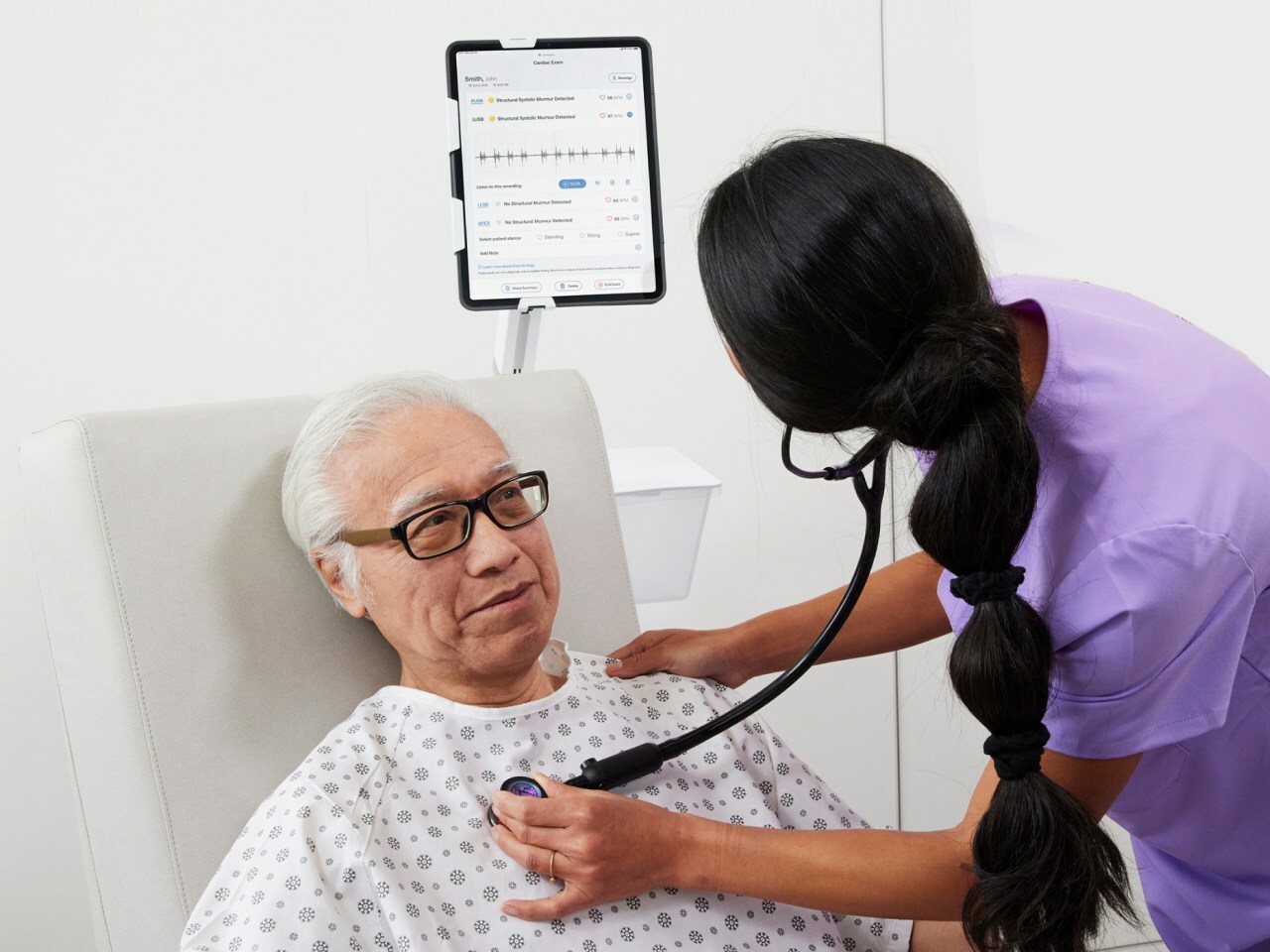
Eko recently launched an AI-powered software that its CEO describes as "Shazam for heartbeats." The platform connects with Eko's digital stethoscopes and identifies whether or not a patient's heart sounds are indicative of disease.

Medical imaging company Genetesis recently closed a $17.5 million Series C funding round, bringing its total funding to date to more than $40 million. Most of the funds will go toward clinical trials for the company's 5-minute test to detect ischemic heart disease, which uses magnetocardiography. Genetesis anticipates the test entering the market in early 2023.
An Ionis Pharmaceuticals heart disease drug beat a placebo in a mid-stage clinical trial, but partner AstraZeneca has decided it won’t advance the genetic medicine to a larger Phase 3 test. The results were apparently not enough to set the Ionis therapy apart from commercialized cholesterol-lowering drugs that address the same protein target.

Pfizer is stopping work on a drug for a rare heart disease after an interim look at Phase 3 data indicated that the study was unlikely to succeed. The small molecule came to Pfizer’s drug pipeline as part of the $11.4 billion acquisition of Array Biopharma in 2019.


Healthcare payments are no longer about transactions. It’s about controlling the revenue cycle. And increasingly, that control is not sitting with ISOs.
A better coronary artery stent cannot help a patient who cannot afford it, does not know they need it, doesn’t have a doctor who can make a diagnosis and identify that need. To help these patients, we urgently need to look at health equity.

Oben Health, a San Francisco-based company developing a digital treatment platform to fight heart disease without medication or surgery, recently received funding from AWS' accelerator for early-stage startups led by founders from underrepresented groups. The startup will use the money to scale its platform and help conduct a pilot program to better understand its model's clinical validity.
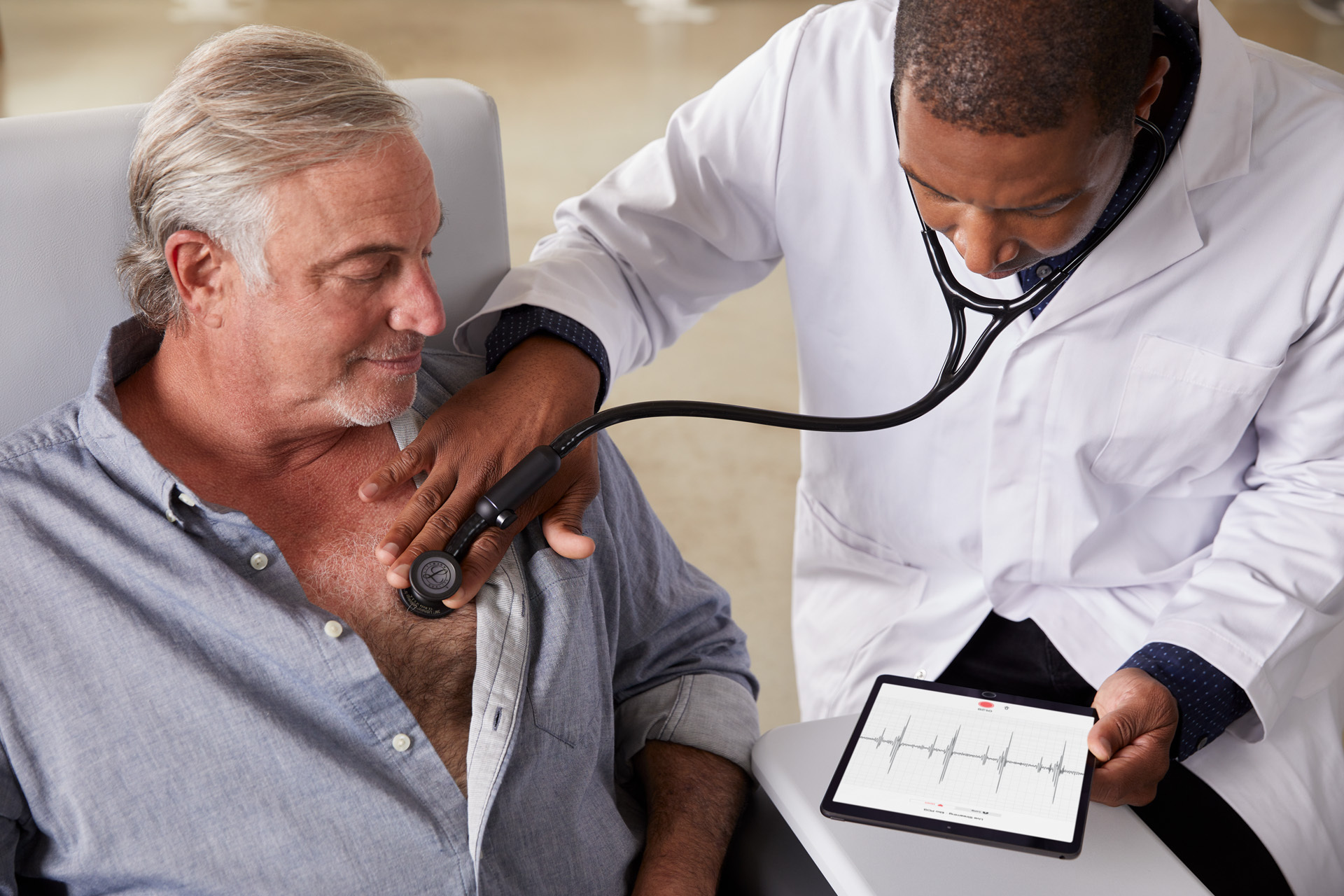
The Eko App uses automated disease detection software and is paired with the company's line of smart stethoscopes to analyze heart sounds with FDA-cleared AI algorithms. The redesigned app includes a range of new features to analyze heart sounds and cardiac rhythm for potential problems, the company said.

The ViVE conference last week was a refreshing collection of discussions exploring how much progress has been made in healthcare transformation and the enormous amount of work yet to be done.

Dr. Eric Topol, director of Scripps Translational Science Institute, said: "The mSToPS trial has the potential to upgrade and refine our approach in screening for heart arrhythmias, and at the same time demonstrate the value of large, real-world clinical trials using digital medicine technologies.”